Getting Started with Bachata and Salsa
Learn the fundamentals of these beautiful partner dances
Why Dance These Styles?
Bachata and salsa aren't just about moving to music — they're about connection, rhythm, and having genuine fun with a partner. You'll notice pretty quickly that these dances improve your posture, coordination, and confidence. Plus, there's a real community around them.
The good news? You don't need prior experience. Most people pick up the basics in their first few weeks. You're never too old to start, and honestly, many retirees in Tallinn and Tartu are discovering these dances for the first time right now.
Social & Fun
Meet people, enjoy weekly socials, feel part of a real community
Physical Health
Improve balance, flexibility, cardiovascular fitness, and core strength
Mental Boost
Sharpen focus, reduce stress, increase confidence and self-expression
Understanding the Basic Rhythm
Both dances use a specific rhythm pattern, but they're quite different in feel. Bachata's slower — it's intimate, romantic, and focuses on hip movement. Salsa moves faster and has more energy. You'll count to 8 in both styles, but the emphasis changes where the beat lands.
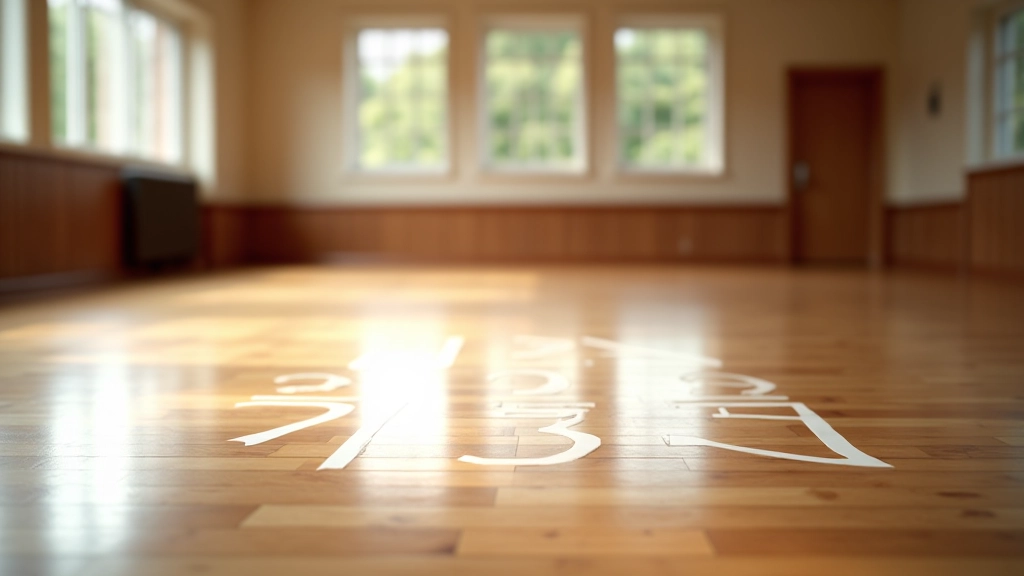
In bachata, you're counting 1-2-3, pause, 5-6-7, pause. The movement is smoother, almost like you're gliding. Salsa skips the 4 and 8 — so it's 1-2-3, 5-6-7 — and the movement's sharper, more grounded. Don't worry if this sounds confusing right now. Your instructor will show you repeatedly, and it'll click pretty fast.
Important Note
This guide is informational and educational. Everyone's physical capabilities are different. If you have any health concerns or injuries, consult with your doctor before starting any new physical activity. Classes in Tallinn and Tartu typically have instructors trained in working with adults of all ages and fitness levels.
Your First Steps: The Basics
Here's what you'll learn in week one of any beginner class
Posture & Connection
You'll start by learning proper posture — shoulders relaxed, core engaged, and how to hold your partner's hand correctly. The connection between partners is everything in these dances.
Footwork Foundation
Both dances start with a simple box step or forward-back movement. You'll practice this without a partner first until it feels natural. Most people get comfortable with basic footwork in 2-3 sessions.
Hip Movement
Especially in bachata, hip movement comes naturally once you relax. You're not forcing anything — it's a result of proper weight shifts and footwork. Salsa has less hip movement but more rotation.
Partner Rhythm
Once you've got the individual steps, you'll dance with a partner. This is where it gets fun. You'll learn to lead or follow, read your partner's movements, and stay together.
Key Techniques to Master Early
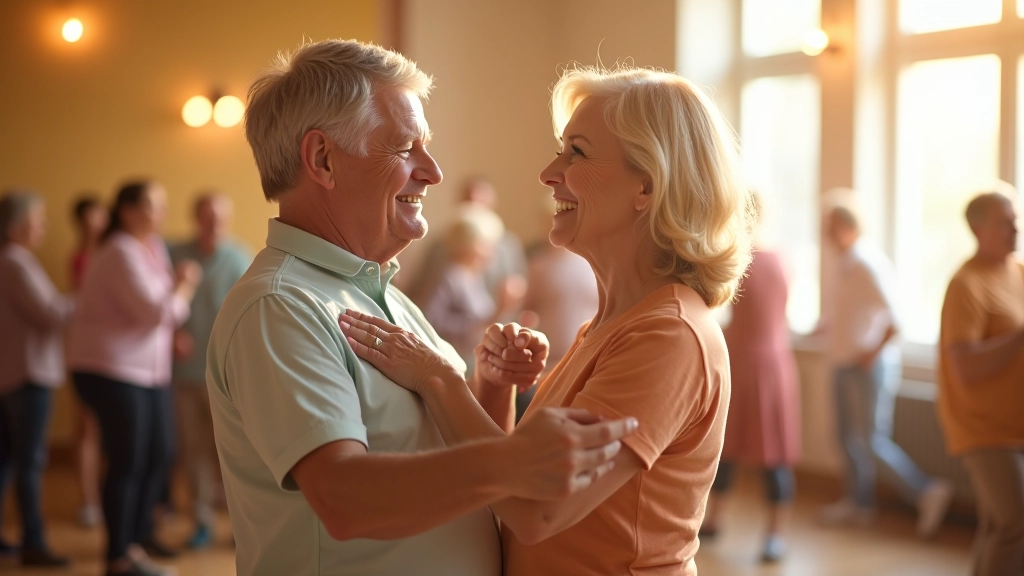
Your frame is crucial. In both dances, you maintain a gentle connection through your arms — not rigid, not loose, but present. Your instructor will show you how much tension to use. It's different from other dances you might have tried.
Weight shifts happen from your core, not your legs. That's the biggest difference beginners notice. When you step forward in bachata, your hips move forward slightly because your weight transfers through your torso. This takes practice, but it prevents that stiff, robotic look.
Following is a skill, not just reacting. If you're learning to follow, you're reading your partner's movements and responding — not waiting to be pushed around. Good followers anticipate. It's actually more complex than leading, and that's the truth.
Finding Classes in Tallinn & Tartu
Classes happen year-round in both cities. Most beginner sessions run 90 minutes, twice per week. You'll pay a modest fee per session or sign up for a monthly pass. Instructors in Estonia are generally trained in working with learners of all ages — they understand that you're starting fresh.
Social dances happen weekly in both cities. These are casual events where you can practice what you've learned in class. They're welcoming to beginners, and people rotate partners regularly so you get to dance with different people. It's honestly the best part — applying what you learned and meeting other dancers.
Check community centers in your area, cultural organizations, and dance studios directly. Many post schedules online or have Facebook groups where class updates are shared. Don't be shy about asking if a class is beginner-friendly — most are.
Practical Tips for Your First Weeks
Wear Comfortable Shoes
You don't need special dance shoes right away. Wear something smooth-soled that lets your foot slide a bit. Avoid thick-soled sneakers — they catch on the floor.
Listen to Music Outside Class
Listen to bachata and salsa music at home. Get familiar with the rhythm. You'll recognize it in class and your body will start responding naturally.
Don't Skip Stretching
Your instructor will include warm-ups and cool-downs. Don't rush through them. Flexibility helps prevent soreness and improves your movement quality.
Bring Water & Be Patient
Stay hydrated. And give yourself grace — your body is learning something new. It takes about 4-6 weeks before movement starts feeling automatic.
Attend Socials
Go to social dances even if you're nervous. That's where you'll build real confidence. Everyone's been a beginner.
Find a Regular Partner
If possible, practice with the same person in class. You'll develop better connection and understand each other's movement patterns faster.
Ready to Start Dancing?
The hardest part is showing up to that first class. After that, you'll be surrounded by supportive people who were exactly where you are now. Bachata and salsa communities in Estonia are genuinely welcoming to beginners.

Continue Your Journey